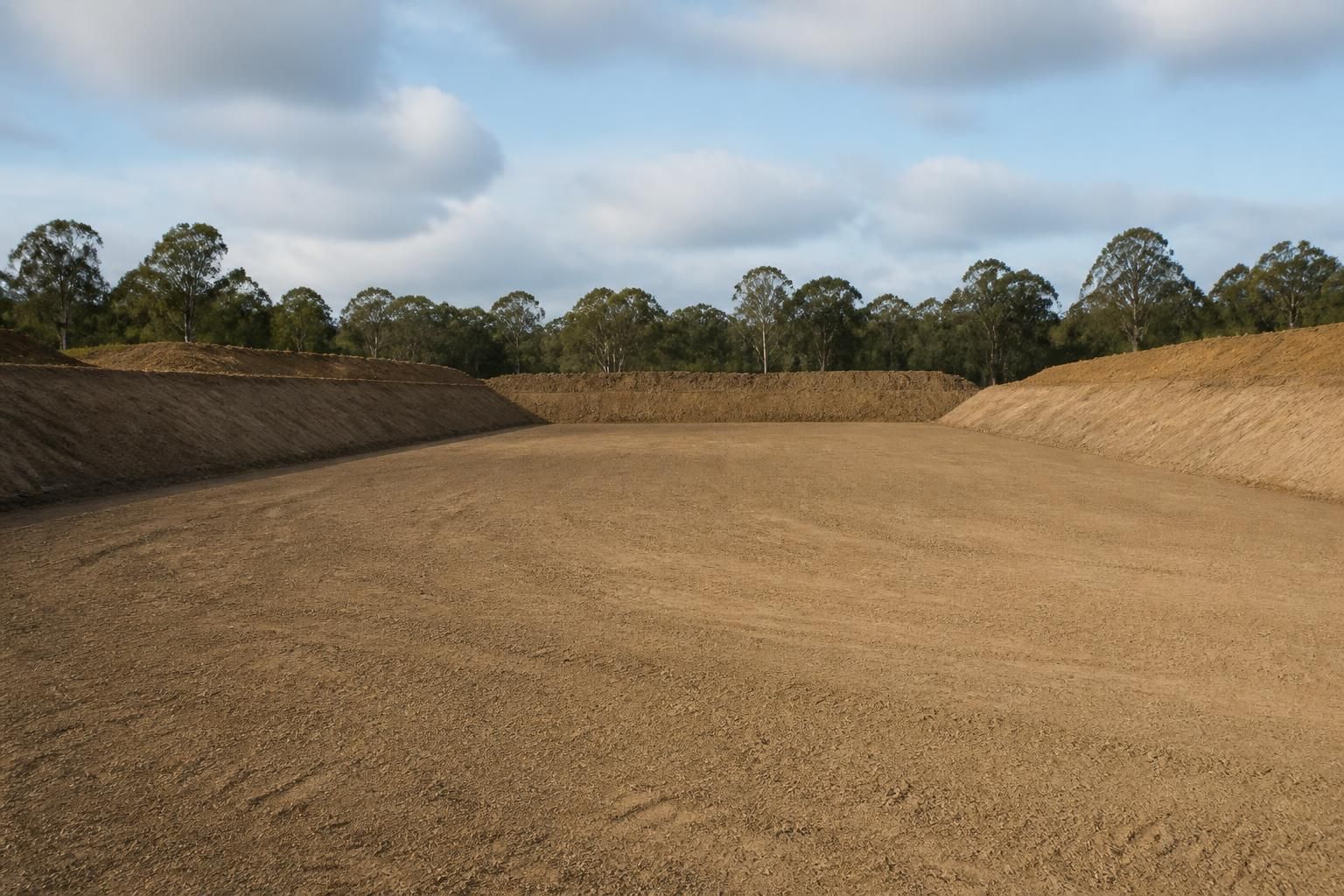
Uneven ground can stall a project before it starts. If your site has high spots, low spots, or a surface that will not hold a clean level, cut & fill work can turn that problem into a workable platform.
Reach Civil handles cut & fill work for projects across Armadale, WA, shaping sites so the ground suits the next stage of construction, drainage, or access. We assess the terrain, move material with purpose, and leave you with a site that is ready for the work that follows.
Cut & fill is the process of removing soil from higher areas and using it to build up lower areas until the site reaches the level, slope, or shape needed for the job. It is one of the most important parts of civil earthworks because it sets the ground conditions for everything that comes after it.
On a simple residential block, that may mean creating a level pad for a shed or new build. On a larger civil job, it may mean reshaping ground to suit drainage paths, road grades, or access routes. Reach Civil works with the material already on site where possible, which can help keep the job practical and controlled.
Cut & fill is not just about moving dirt around. It is about balancing levels, managing slopes, and forming a surface that can carry the next stage of works without constant rework.
This service suits sites where the natural ground does not match the finished level required for construction, earthworks, trenching, or pad preparation.
Many sites give away the need for cut & fill long before machinery arrives. If the ground looks uneven or seems to change sharply across the block, the site may need reshaping before any building starts.
If you are unsure whether the site needs reshaping, it usually helps to have the ground assessed before other trades start work. That can save time, reduce avoidable rework, and make the next stage far easier to manage.
Every site is different, so the work starts with the ground itself. We look at existing levels, the likely direction of water, access for machinery, and the final surface the site needs to achieve. From there, we plan the cut areas, the fill areas, and the sequence that will move the job forward without wasting material.
We assess the existing levels, shape, and site conditions so we can plan the earthworks around the actual ground rather than guesswork.
The finished height, slope, or pad profile is established before material starts moving.
Higher ground is removed, then used where it makes sense to build up lower sections.
We form the site to suit the next stage, whether that is footings, drainage, a road base, or another earthworks package.
Reach Civil keeps the process practical and focused on the ground conditions that matter most. That means less confusion on site and a clearer path to the finished result.
Cut & fill is often part of a broader site preparation package. If the site has not been cleared, stripped, or opened up for machinery access, the earthworks become harder to manage and easier to delay. Preparing the ground first gives the crew room to work and helps the cut and fill process stay accurate.
Site clearing, pad preparation, trenching, drainage, or material removal may all sit alongside cut & fill, depending on what the site needs next. A block that is tight, overgrown, cluttered with spoil, or marked by uneven access may need these jobs handled together so the levels can be set without repeated disturbance.
Doing the work in the right order matters. Clearing first, shaping second, and finishing the pad or grade after that gives a cleaner result than trying to force levels around obstacles.
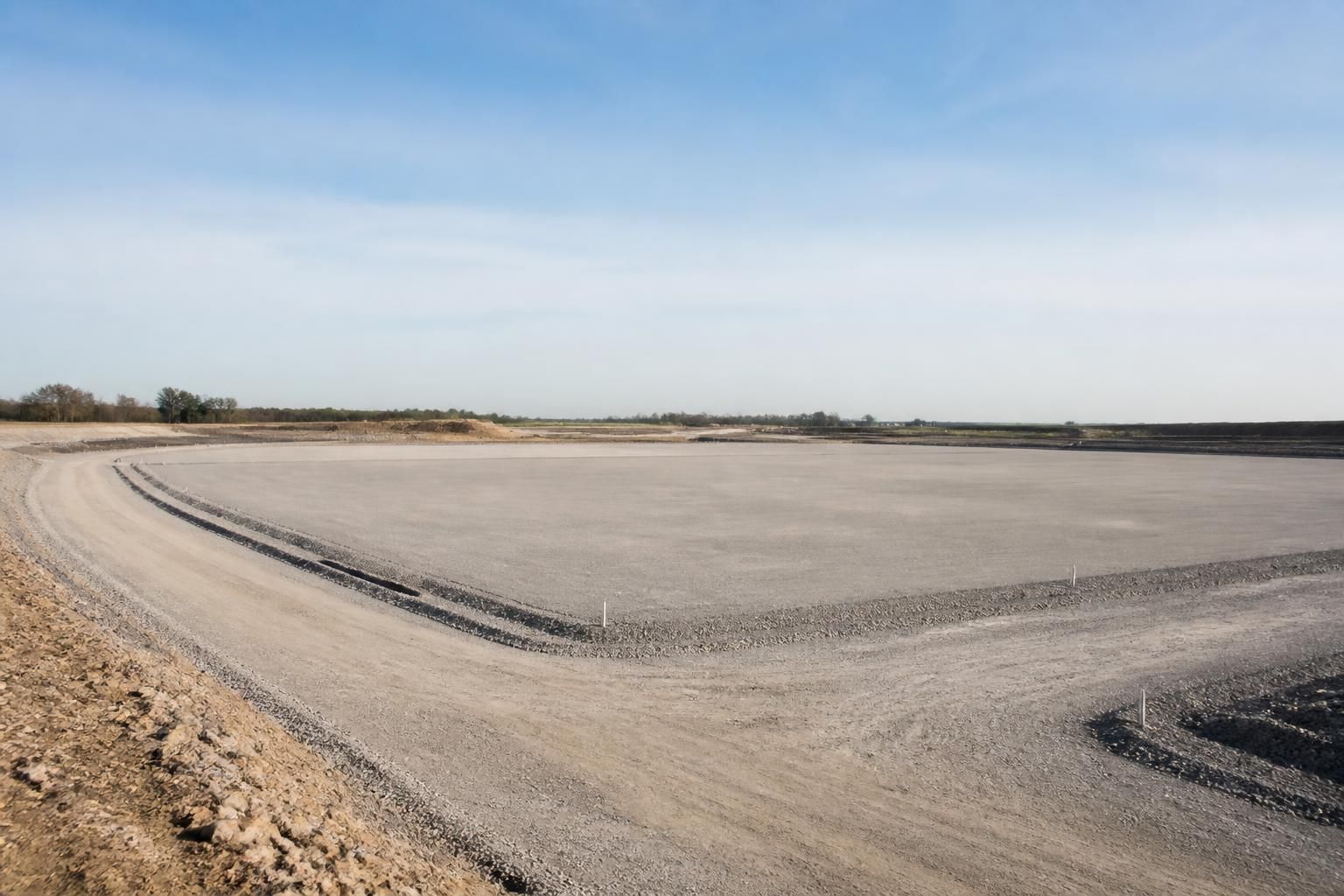
Cut & fill work is not limited to flat pads. Different projects need different ground profiles, and the right shape depends on what sits on the site next.
In Armadale, WA, the goal is rarely just to flatten land. It is to create a shape that suits the whole site plan, from the first machine pass to the last trade that follows.
Cut & fill often links with other civil earthworks services. When the site is being prepared for broader construction, the shaping work can sit alongside trenching, excavation, footings, drainage, roadworks, or material supply and removal. The advantage is a more coordinated site, with less backtracking between separate tasks.
Remove obstacles and open up access for earthmoving.
Carry out cut & fill to reach the required levels.
Finish the area so it is ready for the next stage of construction or civil work.
Continue with drainage, trenching, footings, or road preparation as needed.
That order helps reduce crossed wires on site and keeps each stage tied to the ground conditions it depends on.
Sites across Armadale, WA can differ a great deal from block to block. Some need only light reshaping, while others require more deliberate cut & fill to match the ground to the finished design. Access, existing levels, and the amount of material that needs to be moved all play a part in how the work is handled.
Reach Civil works across Armadale and surrounding areas including Perth, Canning Vale, Rockingham, Welshpool, Kewdale, Jandakot, Bibra Lake, Cockburn, and Fremantle, so we are used to planning earthworks around different site shapes and project demands. The approach stays the same: look at the ground, move what needs moving, and leave the site ready for the next step.
When you book cut & fill work, it helps to know what the process looks like from start to finish. A clear site plan makes the work easier to manage and helps avoid wasted movement or repeated grading.
For some jobs, material supply and removal may also be part of the scope. For others, the existing site material is enough to achieve the desired result. The right choice depends on the ground and the final objective.
It means removing soil from higher parts of a site and using it to build up lower parts until the required level or shape is reached.
Yes. It is often used to reshape sloping ground so a usable pad, platform, or access area can be created.
No. It can suit small residential blocks, sheds, pads, access areas, and larger civil earthworks projects.
Often it does. Clearing gives machinery room to work and helps the earthworks follow the actual ground levels.
Yes. It is common to coordinate the ground levels with drainage so water is directed the way the site needs.
If the ground is uneven, the pad does not match the site, or the finished level cannot be reached without reshaping, cut & fill is likely part of the job.
If your site in Armadale, WA needs reshaping, Reach Civil can handle the cut & fill work with a practical approach that suits the project. Whether you are preparing for a new pad, managing excess spoil, or setting ground levels for the next stage, we can help make the site ready for what comes next.
Contact Reach Civil on +61456422226 or email admin@reachcivil.com.au to discuss your site and arrange a time to get the work underway. Our base is in Byford WA 6122, and we work across the surrounding area with a straightforward approach to civil earthworks and contracting.
Get Started
Tell us what your site needs and we will help you plan the right approach for earthworks, excavation, drainage, site preparation, or other contracting work.