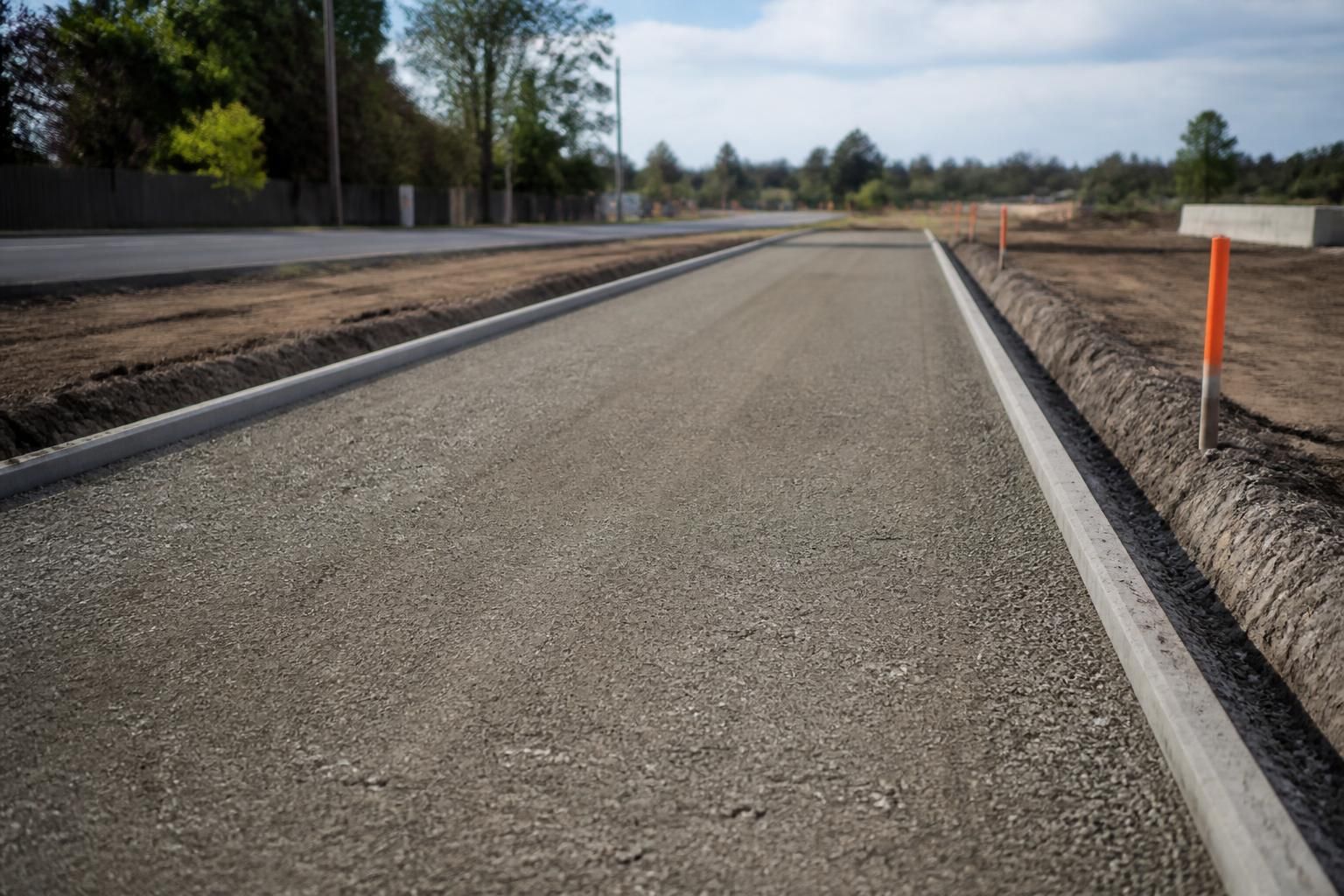
When a road corridor is soft, uneven, or not set up for traffic, the job can stall fast. Loose material, poor levels, weak edges, and drainage problems all create delays that become harder to fix once work has already started.
Reach Civil handles roadworks for Armadale, WA sites with a practical approach that keeps the job moving. We start with the ground conditions, the access required, and the standard of finish needed, then build the surface and supporting works around that plan.
Roadworks often begin before the final surface is even considered. If the base is not prepared well, vehicles can rut the ground, material can shift, and the finished result can quickly lose shape. We plan roadworks around the actual site conditions, not just the line on paper.
For Armadale projects, that can mean forming new access roads, preparing haul routes, shaping the subgrade, and creating a stable surface for machinery, deliveries, and ongoing site movement. Reach Civil works with the aim of making the road area practical for the next stage of the project, whether that means temporary access or a more defined permanent formation.
A road is only as good as the ground beneath it. Before we build up the formation, we assess what needs to be cleared, cut back, filled, or levelled so the base can support the work above it. That may include excavation, cut and fill, pad preparation, or material removal where the existing ground is not suitable.
Good preparation is what reduces surface movement later on. It also makes it easier to achieve consistent levels, cleaner edges, and better runoff control. For roadworks around Armadale, that attention to ground preparation is often the difference between a surface that settles well and one that becomes patchy and uneven.
Roadworks need more than a smooth driving line. If water sits on the surface or collects along the edges, it can break down the base and make the road harder to use. We plan drainage and fall as part of the roadworks process so the finished area sheds water more effectively.
Depending on the site, that may involve trenching, shaping batters, adjusting levels, or forming the road with the right crossfall and runoff direction. These details matter just as much as the visible surface. A road that looks finished but holds water will cause problems later, especially where traffic is regular or heavier vehicles are involved.
Many roadworks jobs need material brought in, spread, adjusted, or removed as conditions change. We can help with material supply and removal as part of the job, so the work stays coordinated rather than being split across multiple crews and delays. That matters when a road needs the right balance of fill, base material, and trimming work to reach the target finish.
In some cases, excess spoil must be taken away before the road can be built. In others, suitable material can be re-used on site after shaping and compaction. Reach Civil approaches this with a practical eye on what saves time, what supports the road structure, and what gives the site the cleanest result.
Roadworks are not just about appearance. The road needs to suit the type of movement it will see, from light vehicles through to machinery and delivery trucks. That means thinking through width, turning space, edge support, and the level of finish needed for the job.
For Armadale sites, we often work with customers who need road formation that keeps the project accessible while other works continue. A clear route reduces confusion on site, limits damage to surrounding ground, and helps other trades work more efficiently. If the road is part of a broader civil scope, we can coordinate the sequence so the formation supports the next stage rather than getting reworked later.
Every site asks for a slightly different approach. Some roadworks are about opening access across bare ground. Others involve reshaping a damaged section or preparing a surface for a later finish. We match the method to the site conditions and the stage of the project, rather than forcing the same process onto every job.
Reach Civil handles roadworks as part of a wider civil earthworks and contracting scope, so we can combine tasks where needed. That includes excavation, site clearing, trenching, footings, drainage, and demolition where those items form part of the same project plan. Keeping the sequence tight reduces hold-ups and helps the roadwork sit well with the rest of the site.
Our roadworks service can include a range of site-based tasks, depending on what the job calls for and how far the existing ground has to be brought back or built up.
That flexible approach is useful on sites where the roadwork sits alongside other civil works. Instead of treating the road as a separate problem, we deal with it as one part of the wider ground plan.
Clients often want to know what happens first and what comes next. A clear process helps avoid confusion, especially where access is tight or the site is already active. We keep the job moving in a straightforward sequence, from initial discussion through to completion of the roadwork scope.
Roadworks around Armadale, WA often need a practical mix of access control, earthworks, and surface preparation. Some jobs are small and straightforward. Others sit within larger developments where the road formation has to support repeated vehicle movement and ongoing site activity.
Reach Civil works across Armadale and nearby areas with a focus on delivering roadwork that suits the site conditions rather than creating extra work for later. If the job needs trenching, drainage, pad preparation, or ground shaping alongside the road formation, we can keep that scope tied together so the result is more workable from the start.
Reach Civil is based in Byford and works with clients across the wider Perth region. If you are planning roadworks for an Armadale site, we can discuss the ground conditions, access requirements, and the most practical way to move forward.
We handle road formation, access roads, haul roads, reshaping, drainage-related earthworks, and roadwork scopes linked to broader civil projects.
Yes. Roadworks often sit alongside site clearing, excavation, trenching, cut and fill, footings, or drainage work, depending on the project.
Yes. Temporary access roads are often needed during construction so machinery and deliveries can move through the site safely and efficiently.
If the base is weak, uneven, or poorly shaped, the road can settle badly, hold water, or break down under repeated traffic.
Yes. Material supply and removal can be part of the roadworks scope when the site needs spoil taken away or fill brought in.
We look at the site conditions, the intended traffic, the access line, and the level of finish required before setting out the work.
Get Started
Tell us what your site needs and we will help you plan the right approach for earthworks, excavation, drainage, site preparation, or other contracting work.