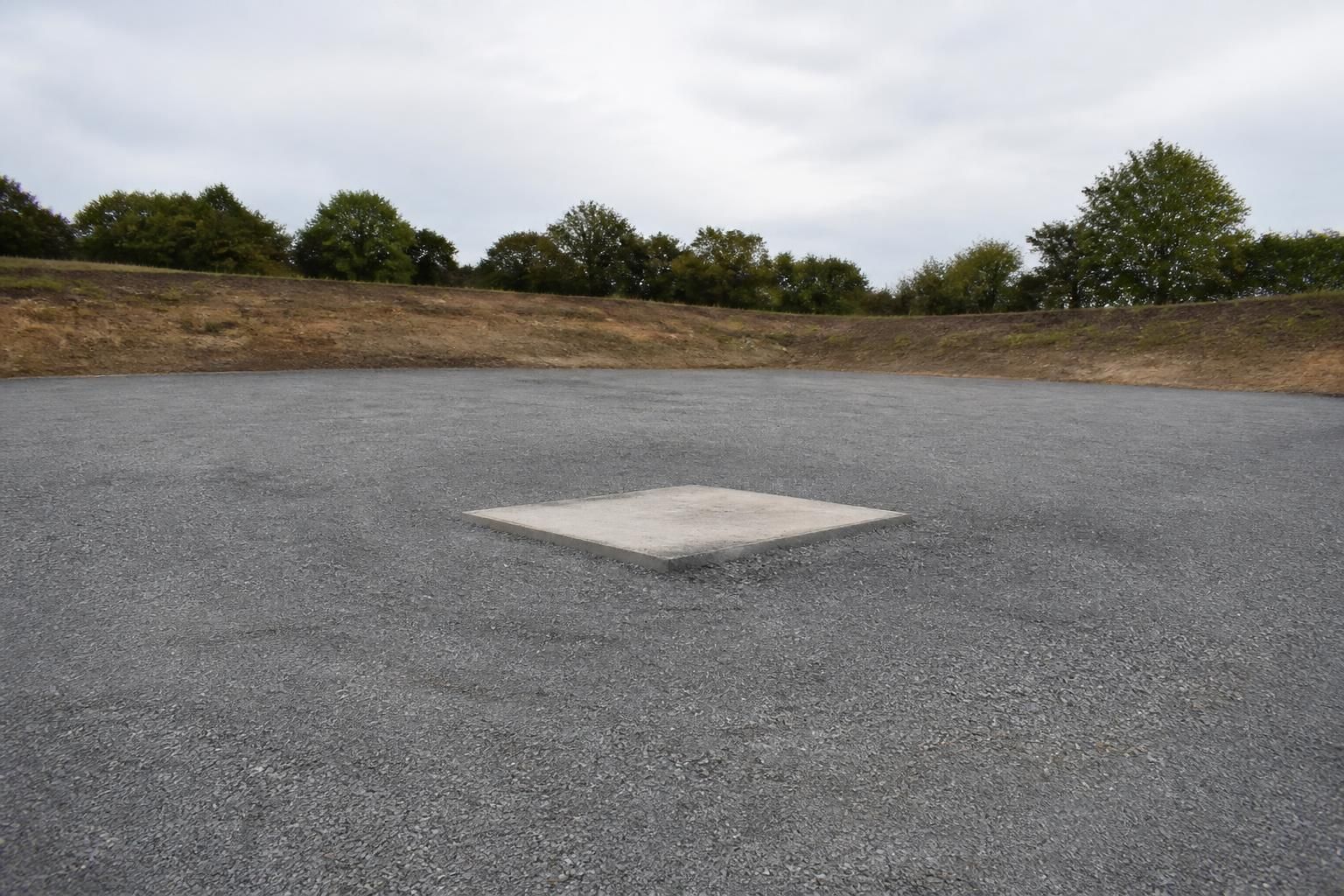
When a block is covered with scrub, scattered debris, old materials, or tangled overgrowth, it can slow everything that follows. Site clearing removes the obstacles standing between you and a workable surface, so your project can move ahead with less delay and less guesswork.
If you are preparing land at Armadale, WA for earthworks, a pad, footings, drainage, or a full redevelopment, Reach Civil can clear the site with a practical approach that suits the job. We handle the heavy clean-up, separate what needs to stay from what needs to go, and leave the area ready for the next stage of works.
Site clearing is more than a quick tidy-up. It is the process of removing unwanted surface material so the ground can be assessed, shaped, and prepared without hidden obstacles getting in the way. That may include vegetation, fallen debris, loose waste, surface rubble, or old materials left behind on the block.
For homeowners, builders, and property owners, the challenge is usually the same. The site looks messy, access is awkward, and it is hard to know where the usable ground begins. We step in early, remove what is blocking the job, and help set up a cleaner start for excavation, cut and fill, or pad preparation.
A site often needs clearing before the main works can begin, even when it looks partly usable from the street. If the ground is cluttered or access is limited, the next crew may spend time working around obstacles instead of progressing the job.
Common signs include poor access for machinery, uneven surface clutter, piles of leftover material, thick growth across the block, and visible debris hiding the true level of the ground. Clearing early saves time later and gives a more accurate view of what the site needs.
The block needs to be opened up before footings, trenching, or pad preparation can begin.
Over time, blocks collect growth and debris that make them harder to work on.
Machinery and materials need a clear path before broader works can start.
Every site has different constraints, so we take a practical approach rather than treating every block the same. Some jobs need light clearing and removal of loose material. Others need a more thorough cleanup so the ground can be shaped for later earthworks.
Reach Civil looks at how the site is being used, what needs to remain, and what should be removed. That helps us choose the right method for the job and avoid unnecessary disturbance to the ground you still want to keep.
We review access, surface condition, and the amount of clearing needed before work begins.
We clear away unwanted material so the block can be opened up for the next stage.
Once the site is clear, it is easier to move into excavation, drainage, or roadworks.
Site clearing often sits at the front of a longer project. A clean, open site makes later work more manageable and reduces interruptions caused by hidden debris or restricted access. It is a valuable first step when you want the rest of the job to move smoothly.
Because we also handle broader civil earthworks and contracting, we understand how site clearing connects to the work that follows. That means the clearing is done with the next stage of the project kept firmly in mind.
Projects across Armadale, WA can involve a mix of residential blocks, development sites, and land that has been left partially cleared or partially used. That variety means the clearing work has to be matched to the block, not forced into a one-size-fits-all approach.
On some sites, the job is mostly about removing surface clutter and opening access. On others, the clearing needs to be coordinated with cut and fill, excavation, or drainage so the ground is ready for the next crews without rework. We keep the process practical and tied to what the site actually needs.
Good site clearing is not just about removing what is visible. It is also about thinking ahead to what comes next. If the block will need trenching, drainage, or a pad, the clearing should support those works rather than creating extra mess or access problems.
That is why it helps to plan the clearing as part of the full project sequence. When the site is opened up with the next stage already considered, the job is easier to manage and the worksite is less likely to stall on avoidable obstacles.
When you arrange site clearing with Reach Civil, the aim is straightforward. We turn up ready to assess the block, discuss the scope, and get stuck into the work that needs doing. You do not need a long, complicated process to get a site opened up.
We keep communication clear and the work practical. If the clearing is part of a larger project, we can align it with the broader earthworks so the site is prepared with the right outcome in mind.
We review the condition of the site and identify what needs attention.
Unwanted material, growth, and debris are removed from the work area.
The site is left ready for further earthworks, preparation, or construction activity.
Site clearing usually involves removing surface obstacles such as scrub, debris, waste material, and other unwanted items that stop work from starting cleanly.
Yes, clearing often comes first because it opens access and reveals the ground before excavation begins.
Yes, it often works best as the first step before cut and fill, pad preparation, drainage, or footing works.
Yes, even smaller sites can benefit from clearing when access is tight or the surface is cluttered with debris and growth.
We can remove unwanted surface material so the site is easier to assess and prepare for the next stage.
If the block is cluttered, hard to access, or not ready for the next phase of works, clearing is usually worth considering.
If your site at Armadale, WA needs to be opened up for earthworks, construction, or a wider redevelopment, Reach Civil can help get it moving. We work across civil earthworks and contracting with a practical mindset, clear communication, and a focus on the job at hand.
To discuss site clearing, contact us at admin@reachcivil.com.au or call +61456422226. Our business is based at Byford WA 6122 and we work Monday to Friday, 07:00 to 17:00.
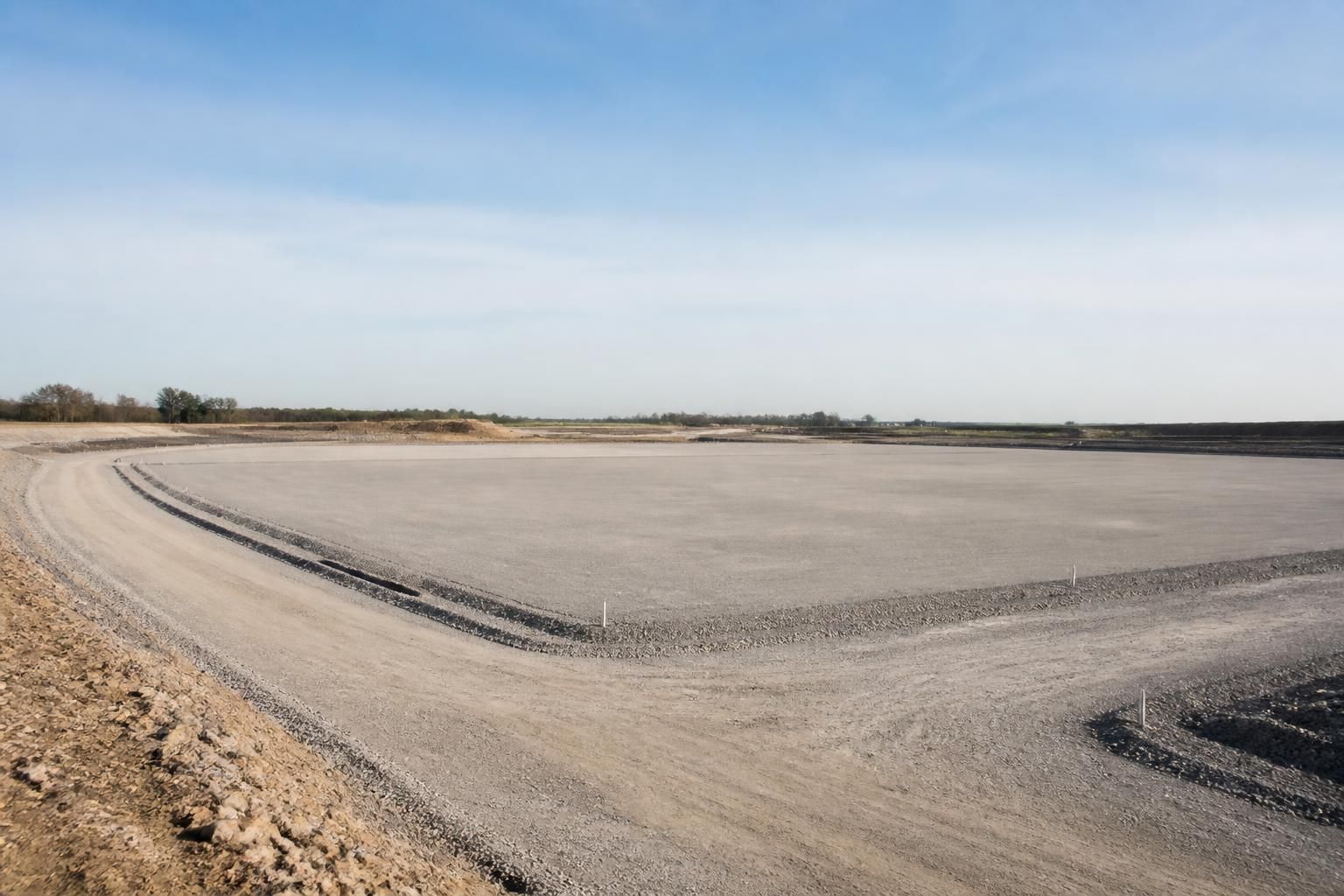
Get Started
Tell us what your site needs and we will help you plan the right approach for earthworks, excavation, drainage, site preparation, or other contracting work.